
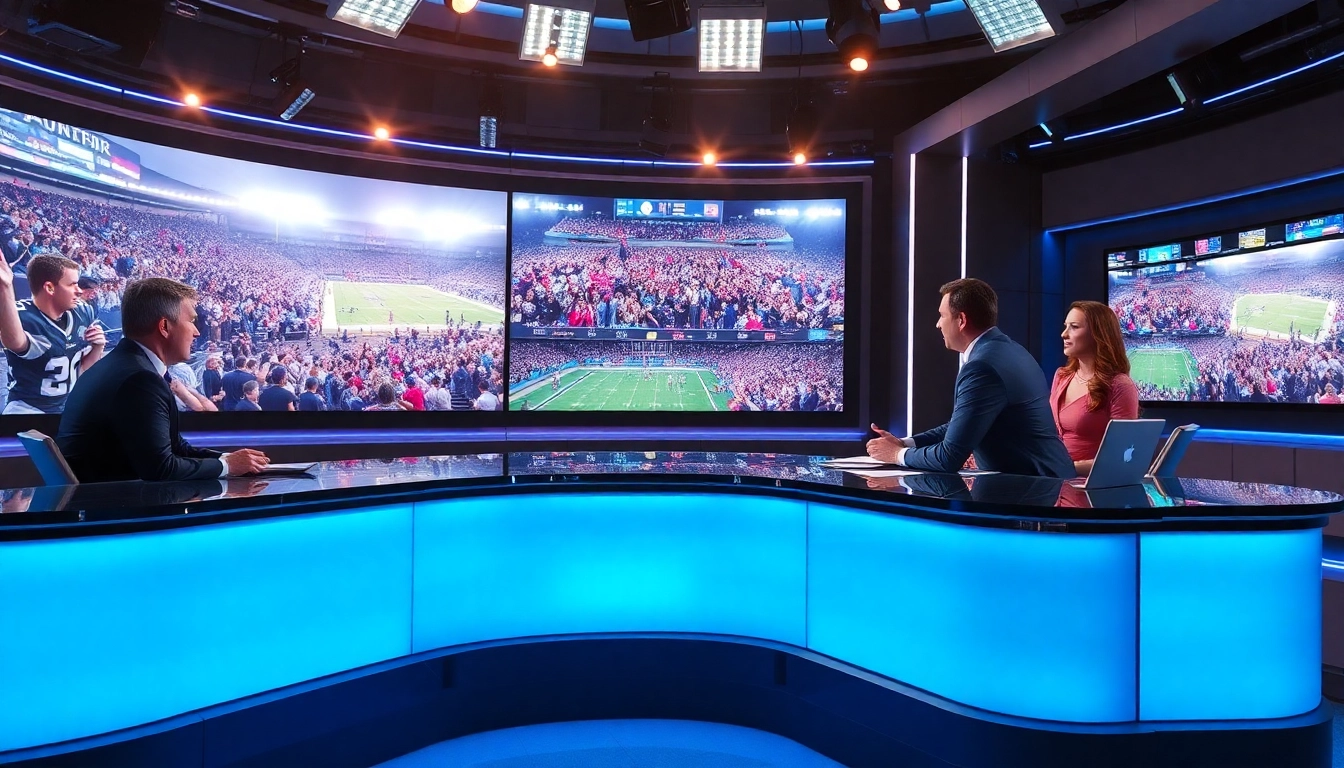
Understanding Sports Broadcasting
Definition and Importance
Sports Broadcasting encompasses the transmission of sports events via various media platforms, enabling fans to engage with their favorite sports from anywhere in the world. This sector is not merely about showcasing games; it serves as a crucial avenue for bringing communities together and promoting healthy cultural exchanges. With the evolution of technology, modern audiences demand more than just a visual experience; they seek engagement, interaction, and seamless access.
The significance of Sports Broadcasting lies in its ability to transform sporting events into global spectacles, enhancing not only the enjoyment of the games but also the revenues generated from them. By reaching diverse audiences, it opens avenues for talent discovery and fosters the growth of newer sports ecosystems.
Historical Background of Sports Broadcasting
The roots of sports broadcasting can be traced back to the early 20th century, with radio being the first medium to disseminate sports events. The first broadcast of a sports event happened in 1921 when a baseball game was aired. This innovative advancement laid the groundwork for future broadcasts and the subsequent rise of television as the dominant medium in the mid-20th century. By the 1950s, televised sports had grown immensely popular, leading to a surge in sponsorship deals and advertising revenue.
With the advent of cable television in the 1980s and the establishment of dedicated sports networks, the landscape of sports broadcasting shifted dramatically. It became accessible to more audiences, and networks began investing heavily in sports rights, thus creating a multi-billion dollar industry. The digital revolution brought about streaming services and social media engagements that truly transformed how fans interacted with sports content.
Types of Sports Broadcasting Platforms
Sports broadcasting platforms have diversified significantly, catering to various viewer preferences. The main types of platforms include:
- Traditional Television Networks: These include major networks that historically dominated sports broadcasting, providing live coverage and analyses.
- Streaming Services: Platforms like Netflix, Hulu, and dedicated sports services such as ESPN+ and DAZN have emerged, offering viewers the ability to watch events on-demand.
- Online Video Streaming: Websites and social media platforms, including YouTube and Facebook Live, have enabled fans to access live events and fan-centric content.
- Radio and Podcasts: Providing commentary and recaps, this remains a popular format for fans on the go.
- Mobile Applications: Dedicated sports apps that provide live updates, highlights, and interactive content, tailored for mobile users.
Key Technologies in Sports Broadcasting
Streaming Services and Their Impact
Streaming services have revolutionized how audiences consume sports content. Traditional appointment viewing has been replaced by on-demand flexibility, allowing fans to watch games anytime and anywhere. Services offer features such as multiple viewing angles, live statistics, and even the ability to pause and rewind live broadcasts—a far cry from conventional broadcasts.
This shift towards streaming has led to increased competition, with each service striving to offer exclusive rights to popular leagues and franchises. The result? Consumers benefit from a greater variety of options, fostering a richer viewing experience that encourages engagement.
Role of Artificial Intelligence in Broadcasting
Artificial Intelligence (AI) is becoming a formidable tool in sports broadcasting. It is utilized for various applications, including:
- Content personalizations: AI algorithms analyze viewing habits to suggest tailored content, enhancing viewer satisfaction.
- Enhanced production: AI assists in automating various production elements, from camera placements to graphics generation, improving overall broadcast quality.
- Performance analysis: Real-time data processing allows for deeper insights during broadcasts, informing viewers about player stats and game strategies.
The use of AI thus not only enriches the viewing experience but fosters a data-driven approach to broadcasting that benefits both producers and consumers.
Emerging Technologies in Sports Broadcasting
The evolution of technology continues to impact sports broadcasting in transformative ways. Key emerging technologies shaping the industry include:
- Augmented Reality (AR) and Virtual Reality (VR): These technologies offer immersive experiences, allowing fans to feel as if they are right in the arena or stadium.
- 5G Connectivity: The rollout of 5G technology enhances streaming capabilities, providing faster data transfer and reducing latency, thus improving live entertainment experiences.
- Blockchain: While still in early stages, blockchain has the potential to transform broadcasting rights management and ticket purchases, ensuring secure and transparent transactions.
Challenges in Sports Broadcasting
Managing Broadcast Rights
Broadcast rights are a critical aspect of sports broadcasting that greatly impacts revenues. As audiences fragment across multiple platforms, managing these rights has become increasingly complex. Networks and streaming services often engage in bidding wars for exclusive rights, leading to skyrocketing costs. Ensuring competitiveness while maintaining profitability is a juggling act for broadcasters.
Moreover, usage rights can vary significantly across different regions and platforms, further complicating distribution strategies and partnerships.
Adapting to Audience Preferences
The preferences of sports audiences are continually evolving, with factors such as age, culture, and technology affecting viewing habits. Catering to a diverse audience necessitates a multi-faceted approach in content delivery. Broadcasters must remain agile, adapting their strategies to encompass various formats such as highlight reels, interactive viewing experiences, and localized content to resonate with different demographics.
Addressing Technical Difficulties
Technical difficulties can plague live sports broadcasts, significantly affecting viewer experience. Issues such as buffering, connectivity problems, and platform downtimes can lead to frustration among fans. To combat these challenges, broadcasters need to invest in robust infrastructure and conduct meticulous testing before major events.
Furthermore, ongoing monitoring and rapid responses to any arising issues during broadcasts are essential to maintain viewer satisfaction and trust.
The Business of Sports Broadcasting
Understanding Revenue Models
The financial structure of sports broadcasting is multifaceted, driven by various revenue models, including:
- Advertising: This traditional model remains a significant revenue source as brands look to engage sports audiences through targeted ads.
- Subscription fees: With the rise of streaming platforms, subscription-based models have become increasingly popular, allowing consumers to pay for tailored content experiences.
- Pay-Per-View (PPV): Particularly relevant for major events, this model enables viewers to pay a fee to access exclusive matches or tournaments.
- Merchandising and Partnerships: Revenue can also be generated through merchandise sales and collaborations with brands that align with the sports events being broadcasted.
Advertising Trends within Sports Broadcasting
Advertising within sports broadcasting is evolving, moving beyond traditional commercial breaks to integrate more interactive and engaging content. Trends such as sponsorship of specific segments (like halftime shows) and interactive advertisements that allow viewer participation are becoming commonplace. The rise of digital platforms enables real-time advertising adjustments based on audience analytics, significantly enhancing targeting efficiency.
Partnerships and Sponsorships
Strategic partnerships between broadcasters and brands are paramount in the sports broadcasting realm. These partnerships can foster brand loyalty, expand audience reach, and generate additional revenue streams. Not only do these relationships enrich content creation with exciting marketing campaigns, but they also pave the way for exclusive rights deals and co-branded content. It is essential for sports broadcasters to nurture these relationships for sustained success.
The Future Landscape of Sports Broadcasting
Predictions for Future Trends
The future of sports broadcasting is poised for remarkable transformation driven by technological advancements and shifting viewer dynamics. Predictions indicate a continued reliance on streaming services, with an increased emphasis on personalized content delivery that caters to individual viewer needs. Innovations in VR and AR are set to enhance immersive experiences, making viewers feel like they are part of the action.
The Shift to Mobile and On-Demand Viewing
As mobile consumption surges, content availability across mobile platforms is no longer optional; it is a necessity. Sports broadcasters must adapt their strategies to deliver on-demand content that caters to the lifestyles of mobile users. Enhanced app experiences that offer live updates and quick highlights will be crucial in retaining and growing viewer engagement.
Engagement Strategies for New Audiences
Looking ahead, engaging new audiences, particularly the younger demographics, will be pivotal for the growth of sports broadcasting. Interactive content, gamification of broadcasting elements, and creator-led narratives are just a few strategies that can capture and sustain viewer interest. Harnessing social media for real-time engagement and feedback is also crucial in building a loyal and interactive audience base.
FAQs:
What is sports broadcasting? Sports broadcasting involves the transmission of sports events through various media to engage audiences.
How has technology changed sports broadcasting? Technology has introduced streaming services, enhanced viewing experiences, and improved production quality.
What are common challenges in sports broadcasting? Challenges include managing rights, keeping up with viewer preferences, and maintaining technical reliability.
What revenue models are used in sports broadcasting? Key models include advertising, subscriptions, and partnerships with various brands and sponsors.
What does the future hold for sports broadcasting? The future promises more mobile engagement, personalized content, and innovative audience interaction strategies.